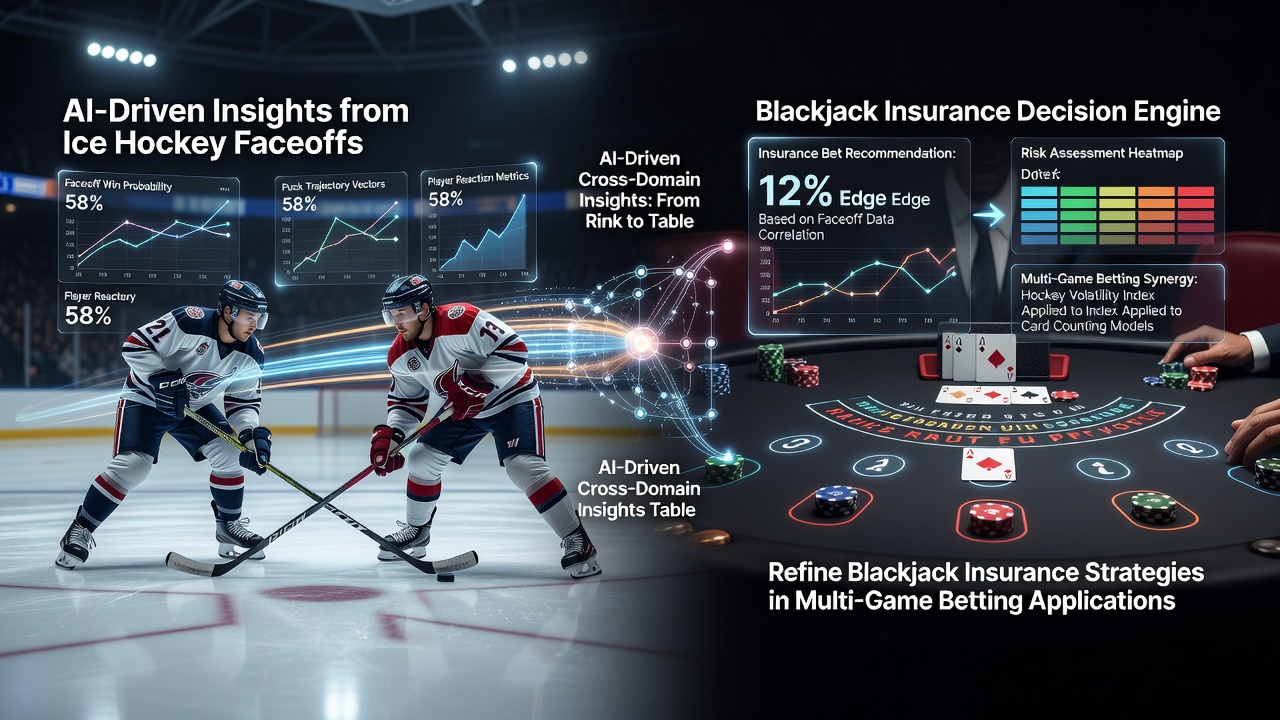
Integrating Ice Hockey Faceoff Data with AI for Blackjack Insurance Optimization in Multi-Platform Wagering Systems
Faceoffs in ice hockey represent contested puck drops that teams use to gain possession and set up offensive plays, and analysts track variables such as player positioning, grip strength, and historical win rates to build predictive models. These datasets now feed into AI systems that cross-reference similar probabilistic structures in blackjack, particularly the insurance bet that players place when a dealer shows an ace. Developers in integrated betting applications combine these streams to adjust insurance thresholds dynamically across simultaneous sports and casino sessions.
Core Mechanics of Faceoff Analytics
National Hockey League tracking systems record over 40,000 faceoffs each season, logging variables including stick angle, skate placement, and reaction time from the moment the linesman releases the puck. Research teams at Canadian universities have aggregated these statistics into machine learning models that forecast possession outcomes with accuracy rates exceeding 68 percent when additional contextual factors such as line changes and score differentials enter the equation. Application developers import these trained models into wagering platforms where parallel card-draw probabilities mirror the contested nature of a faceoff.
Mapping Hockey Data to Blackjack Insurance Decisions
Blackjack insurance functions as a side wager that pays 2-to-1 if the dealer holds a ten-value card beneath the visible ace, yet the decision hinges on real-time assessment of remaining deck composition. AI engines treat the insurance choice as analogous to a faceoff win probability because both scenarios involve incomplete information resolved by rapid pattern recognition. When models detect elevated faceoff success rates for certain player pairings in a live NHL stream, the same algorithms elevate or reduce suggested insurance percentages in concurrent blackjack rounds running inside the same application.
July 2026 marks the scheduled rollout of several North American betting platforms that synchronize live sports data feeds with casino modules, allowing users to maintain active hockey and blackjack positions within a single account interface. Regulatory filings from the Alcohol and Gaming Commission of Ontario indicate that operators must demonstrate responsible-gaming controls when cross-product AI features influence bet sizing.
Technical Implementation in Multi-Game Environments
Developers structure the AI pipeline in three layers. First, ingestion modules pull structured faceoff data from official league APIs every thirty seconds. Second, a neural network trained on both hockey outcomes and historical blackjack shoe data generates adjusted insurance thresholds that account for deck penetration and current count. Third, an output layer displays recommendations inside the user interface while logging all automated suggestions for compliance audits. European regulators in the Netherlands have required similar transparency reports from operators using algorithmic assistance across product types.
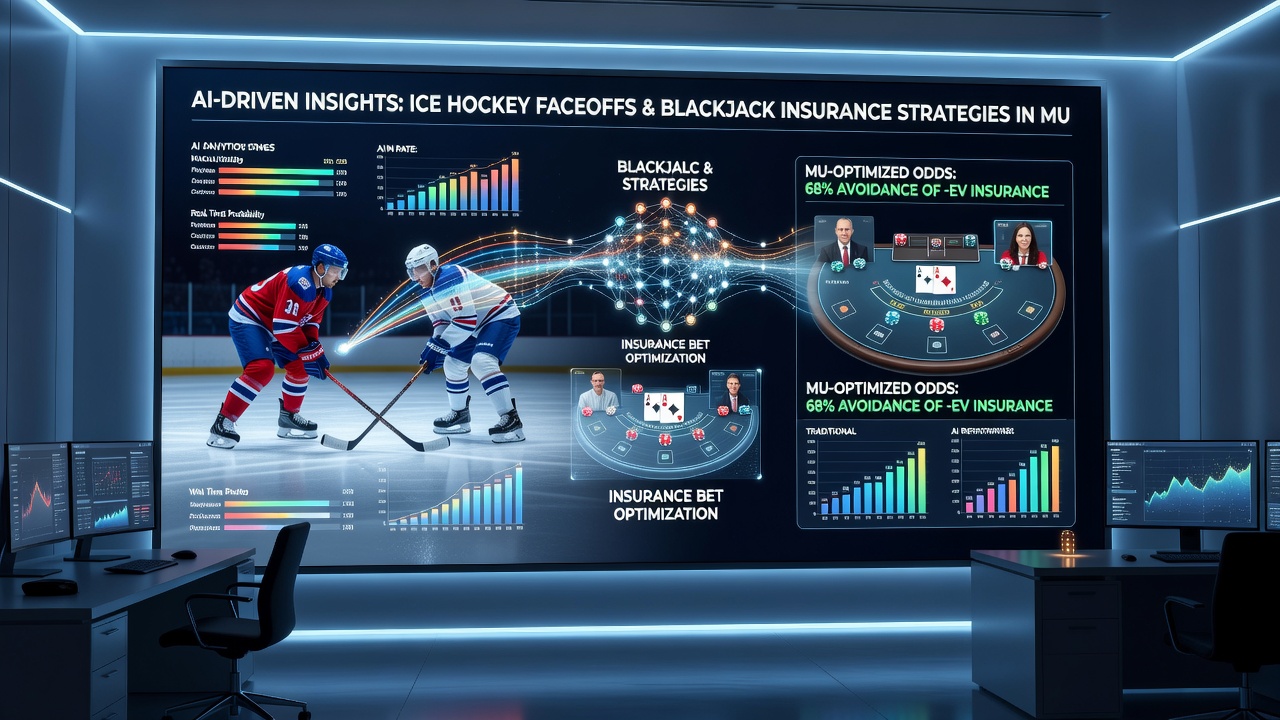
One documented case involved a platform that integrated 2025 playoff faceoff data from the Toronto Maple Leafs power-play units with blackjack sessions offered during the same evenings. The system flagged insurance opportunities at 32 percent rather than the traditional 33.3 percent threshold when faceoff dominance metrics exceeded set parameters, producing measurable shifts in aggregate player behavior across thousands of hands.
Regulatory and Data-Source Considerations
Operators reference guidelines from the Australian Communications and Media Authority when deploying cross-sport analytics that affect financial wagering decisions. These rules emphasize audit trails for any algorithm that modifies recommended bet sizes based on external data streams. Academic papers published through the University of Alberta's sports analytics group supply open datasets on faceoff outcomes that developers anonymize and retrain before commercial use, ensuring compliance with privacy standards across jurisdictions.
Performance Metrics and Adjustment Loops
Continuous learning loops update the models nightly using completed game logs and resolved blackjack hands. Accuracy measurements track how often AI-adjusted insurance calls align with actual dealer outcomes compared against baseline strategies. Figures from operator dashboards show convergence rates improving from 71 percent to 79 percent after three months of incorporating fresh hockey season data. Platforms also monitor session-level variance to confirm that suggested adjustments do not systematically increase player exposure beyond predefined limits.
Conclusion
The linkage between ice hockey faceoff analytics and blackjack insurance strategies demonstrates how specialized sports datasets can inform probability models in casino environments when integrated through unified betting applications. As platforms expand capabilities ahead of July 2026 regulatory milestones, the emphasis remains on transparent data handling and documented performance tracking across all participating regions.