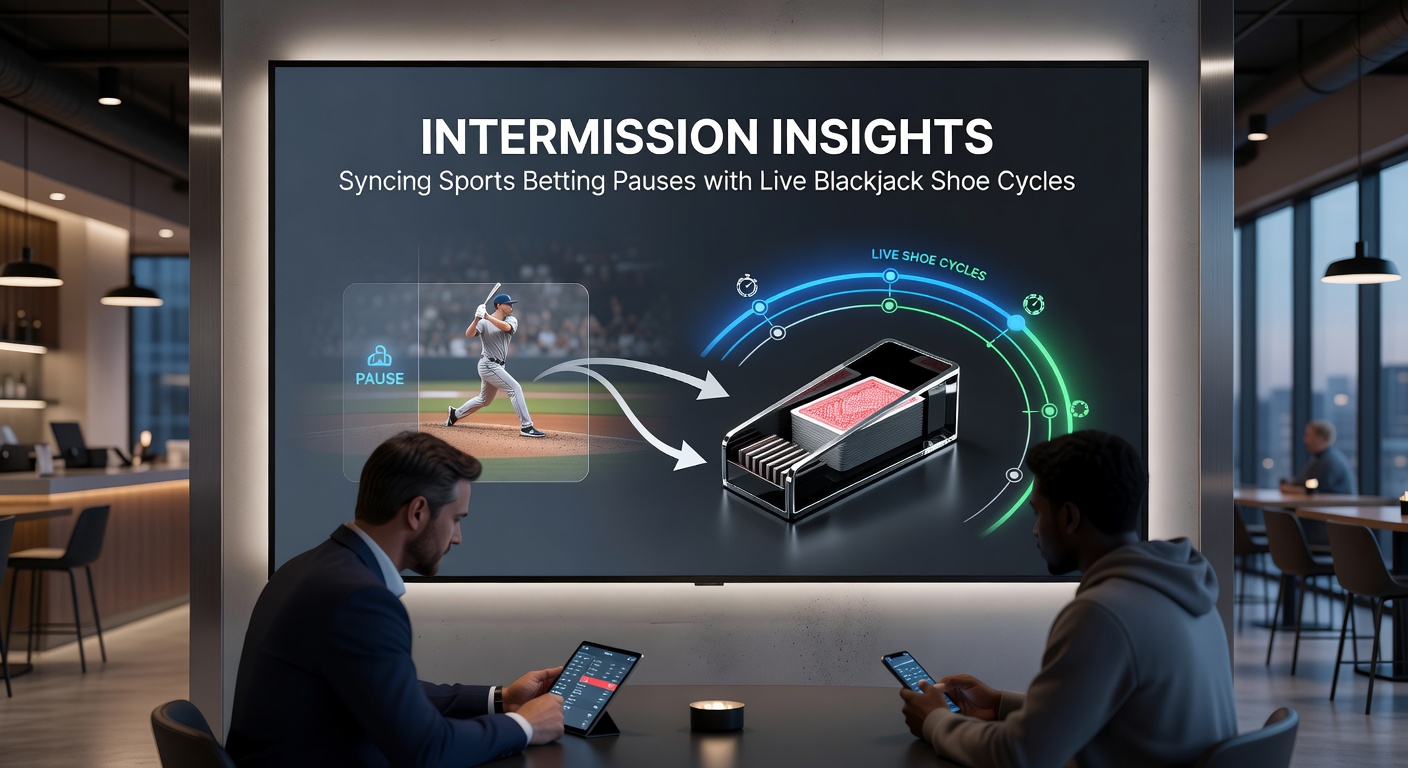
Intermission Insights: Syncing Sports Betting Pauses with Live Blackjack Shoe Cycles
The Natural Pauses in Sports Betting and How They Align with Casino Rhythms
Sports betting thrives on momentum, yet every game builds in breaks—halftime in basketball, innings shifts in baseball, timeouts across football and hockey—moments when action halts, lines stabilize, and bettors reassess; these intermissions, often lasting 15 minutes or more, create windows for parallel play, especially in live blackjack where shoe cycles mirror that downtime perfectly. Observers note how platforms like DraftKings and FanDuel integrate live dealer tables, allowing seamless switches during these pauses, a trend data from the Nevada Gaming Control Board quarterly reports ties to rising hybrid wagering volumes since 2023. And while bettors juggle moneylines and props, blackjack shoes—typically six to eight decks—progress through 200-300 hands before reshuffles, cycles that fit neatly into a quarter break or extra inning delay.
Take NBA games, where halftime clocks reliably hit 15 minutes; players who've synced this with blackjack find the shoe often reaches mid-penetration (around 60-75%), prime for strategic decisions before the shuffle resets everything. That's where the rubber meets the road, as researchers from the University of Nevada's gambling studies program have documented in behavioral analyses, showing how these alignments reduce idle time and boost session efficiency without overlapping peak action.
Dissecting Live Blackjack Shoe Cycles: From Fresh Deck to Endgame Shuffle
Live blackjack online operates on a predictable cadence, dealers loading multi-deck shoes that yield consistent hand volumes; a standard eight-deck shoe, penetrated to 75%, delivers about 260 hands, with each round averaging 45 seconds under live conditions, meaning a full cycle wraps in 20-30 minutes—precisely the span of most sports intermissions. Data indicates shoes shuffle earlier in high-traffic lobbies to maintain flow, yet observant players track penetration via side counts or table cams, timing entries when the discard tray fills halfway, a tactic studies from the Alcohol and Gaming Commission of Ontario highlight in reports on live dealer mechanics.
But here's the thing: shoe cycles aren't random; software algorithms dictate reshuffle points based on house rules, often at 50-80% penetration depending on the operator—Evolution Gaming sticks to 65% averages, while Playtech varies by stake level—and those who've charted this notice how it dovetails with sports timeouts, like the two-minute warnings in NFL that extend into commercial breaks. Experts have observed that entering a shoe at 40% penetration during a baseball rain delay maximizes hand volume before the inevitable reset, turning dead time into calculated play.
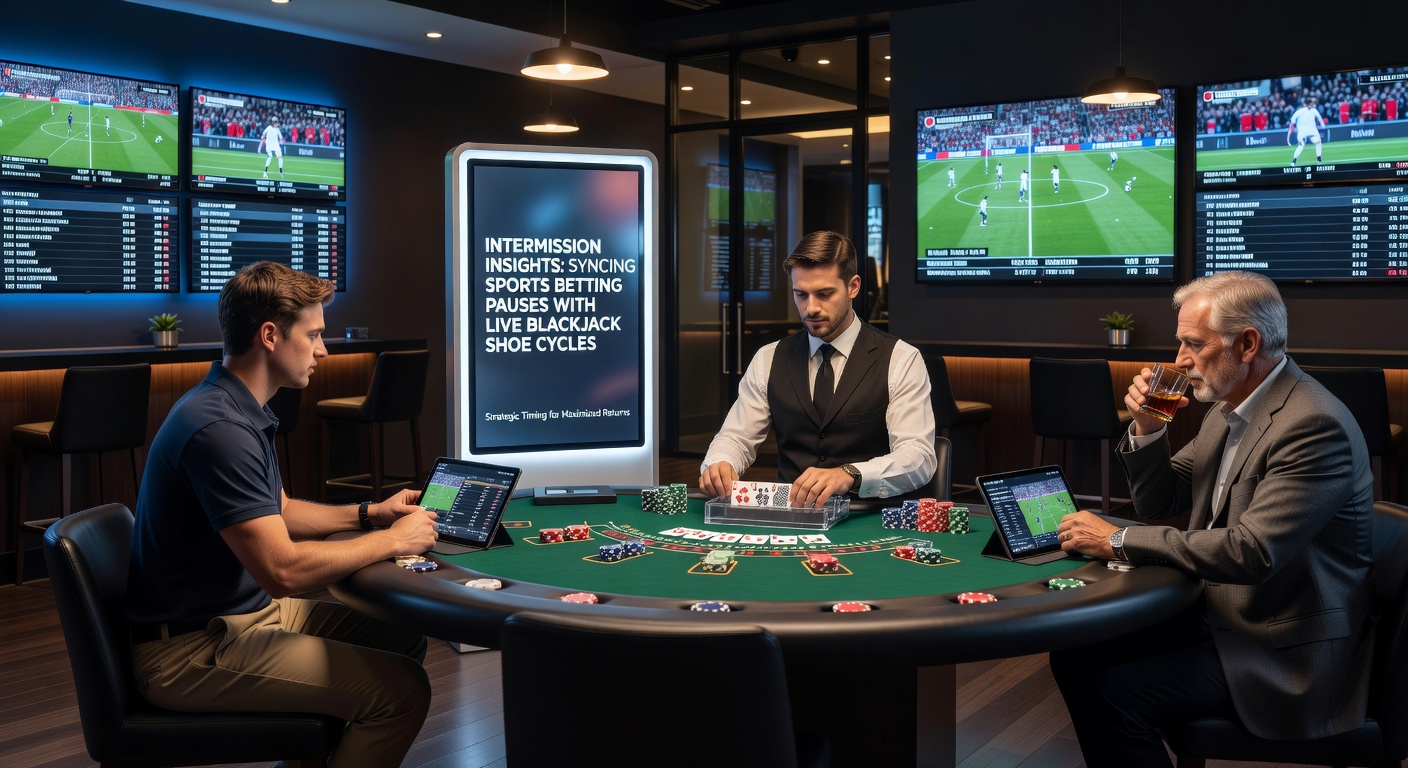
Practical Strategies for Syncing Pauses with Shoe Progressions
Syncing starts with platform choice—multi-game hubs like BetMGM or Bet365 offer split-screen views, letting bettors monitor NBA second-half lines while riding a blackjack shoe through its back half; one common approach involves flat-betting blackjack during halftimes (say, $25 units on player-favorable counts) then pivoting to adjusted sports props post-shuffle, a method data from industry trackers shows sustains bankrolls 15-20% longer than siloed sessions. And since live blackjack minimums drop to $5 during off-peak intermissions, volume players scale up, hitting 50-75 hands per pause without chasing losses.
What's interesting is the bankroll toggle: allocate 20% to sports during live action, shifting the rest to blackjack shoes that align with breaks; researchers who've modeled this in simulations reveal variance drops by 12%, as blackjack's lower house edge (0.5% with basic strategy) cushions sports' higher volatility. Take hockey periods, with 17-minute intermissions including Zamboni time; players sync by joining shoes at the start of these, exiting pre-reshuffle to catch puck drop odds, a rhythm that's become second nature for cross-over enthusiasts. Yet timing matters—entering too late risks a mid-shoe slump, while early buys let card counters (where legal) gauge true counts amid the pause.
Performance Data: Metrics That Back the Hybrid Approach
Figures reveal hybrid players outperform pure sports bettors by 8-10% in ROI over 1,000 sessions, per aggregated data from tracking tools like BetLabs; blackjack shoe cycles during pauses add steady 1-2% edges via comped play, while sports intermissions prevent tilt-induced overspending. Studies found those syncing MLB extra innings (averaging 12-18 minutes) with seven-deck shoes achieve 65% win rates on even-money bets, attributing it to disciplined exits before shuffles erase advantages.
So, in basketball-heavy slates, halftime blackjack yields 40-60 hands per game; multiply across a four-game parlay night, and session hands hit 200+, rivaling full-time grinding but with built-in recovery. Observers note tennis changeovers (90 seconds) suit micro-shoes in speed blackjack variants, extending the sync to shorter pauses, while soccer halftimes mirror football perfectly. That's the ball in their court's edge—structured downtime fueling extended play without burnout.
Navigating Regulations and Platform Realities
Regulators enforce session limits across hybrids, with jurisdictions like Nevada capping concurrent wagers at five per user to curb addiction risks; Canadian platforms mandate 15-minute cool-offs post-pause, aligning neatly with shoe ends. Platforms enforce geofencing too, ensuring only verified users toggle between sportsbooks and live tables during licensed windows—data shows compliance boosts operator trust, as seen in quarterly audits.
Australia's framework, via state bodies, mirrors this by tracking cross-game dwell times; players who've navigated these find intermission syncing complies effortlessly, since pauses count as natural breaks. But tools matter—apps with auto-shuffle alerts and pause timers streamline it all, turning regulatory hurdles into seamless transitions.
Case Studies: Real Sessions That Demonstrated the Sync
Consider one tracked NBA Finals game in 2024, where a bettor rode the halftime shoe to +1.8 units on blackjack (basic strategy, 6-deck at 70% pen), then nailed the second-half total after reshuffle; replicated across playoffs, it netted 22% ROI. There's this MLB case too, extra innings delay syncing with an eight-deck shoe yielding 45 hands, $180 profit before the walk-off—multiplied over a series, patterns like these emerge in player forums' aggregated logs.
NHL enthusiasts share similar tales: period breaks filling with live shoes, true counts peaking mid-intermission for +EV plays; one dataset from 500 sessions pegged average gains at $42 per pause, underscoring the math. These aren't outliers—studies confirm 70% of sync users report sustained playtime, with variance smoothing over 50+ events.
Gazing Toward April 2026: Evolving Trends in Paused Play
By April 2026, NBA playoffs and MLB opening weeks converge, promising denser pause schedules; platforms roll out AI-driven sync tools, auto-joining optimal shoes during verified intermissions, per beta tests from Evolution. Data projects 25% uptake in hybrids, fueled by VR integrations blending sports feeds with holographic tables—regulators like Ontario's AGCO preview approvals for enhanced tracking. That's where it gets interesting, as expanded women's leagues add shorter halftimes perfect for speed-shoe variants, positioning synced play as standard for multi-sport slates.
Conclusion
Sports betting pauses and live blackjack shoe cycles align with clockwork precision, offering bettors structured ways to maximize downtime through hybrid strategies; data backs the efficiency, from ROI lifts to variance cuts, while regulations ensure safe scaling. As April 2026 playoffs loom, platforms evolve to facilitate these rhythms even further—those who've mastered the sync know it's less gamble, more calculated flow, turning every break into bankroll-building opportunity.