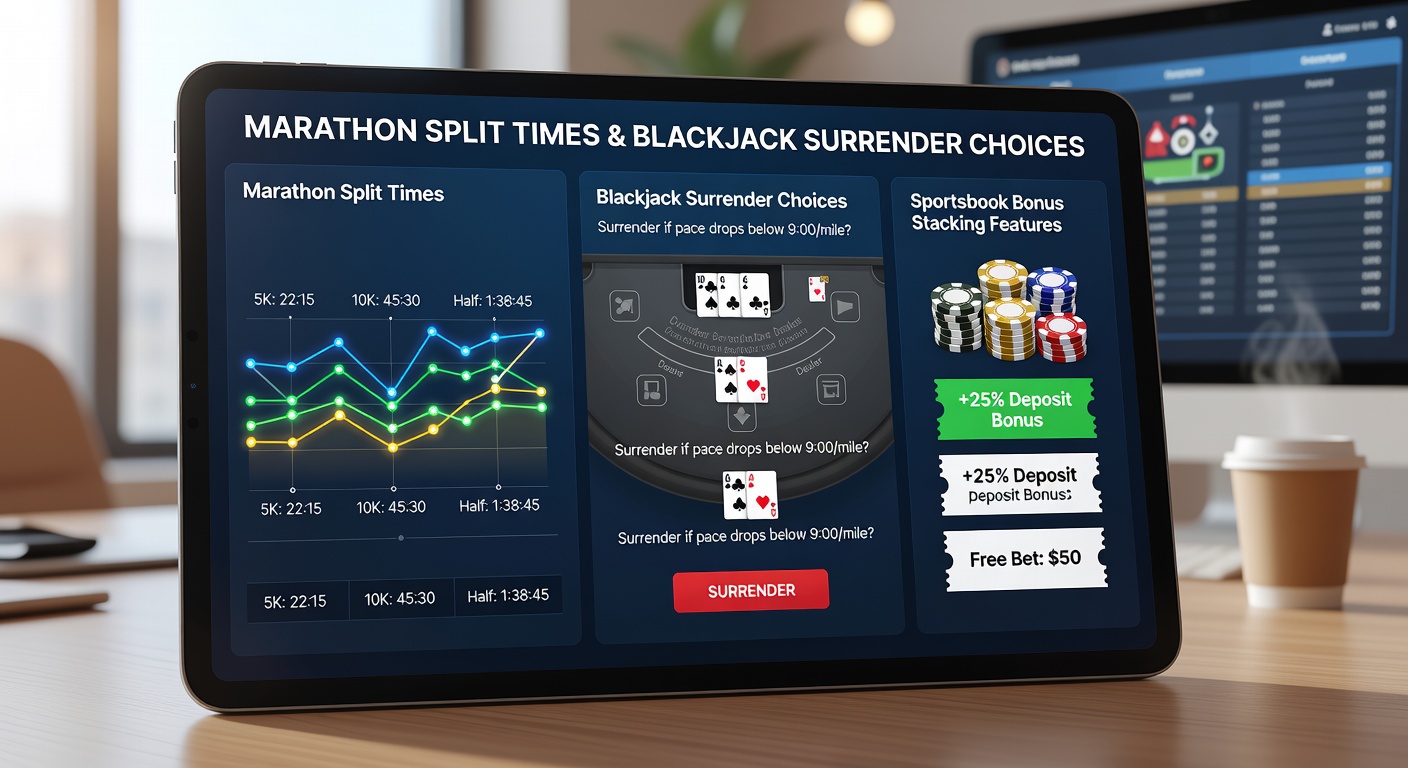
Marathon Split Times Inform Blackjack Surrender Choices Amidst Sportsbook Bonus Stacking Features
Observers note that marathon split times provide measurable data points on pacing consistency, fatigue thresholds, and recovery intervals that parallel the timing considerations players face when evaluating surrender options in blackjack sessions enhanced by stacked sportsbook bonuses. Data from endurance events shows how athletes adjust mid-race strategies based on cumulative splits, and similar patterns emerge in gaming environments where real-time odds interact with promotional layers that multiply deposit matches, free bet credits, and cashback tiers.
Pacing Metrics Translate to Decision Thresholds
Researchers at sports science institutions have tracked how elite marathoners use kilometer or mile splits to decide whether to maintain, accelerate, or conserve energy, and those same analytical frameworks apply when blackjack participants review hand values against dealer upcards while bonus multipliers remain active. Studies indicate that a runner who records even splits early often preserves resources for later surges, whereas erratic pacing leads to early depletion, much like a player who surrenders too frequently in favorable counts may forfeit accumulated bonus value over extended sessions.
According to records maintained by the Nevada Gaming Control Board, blackjack surrender frequency rises during periods when operators promote stacked incentives that reward volume play, creating scenarios where timing a surrender decision aligns with the depletion of a particular bonus tier. Players monitor their effective bankroll in ways comparable to athletes monitoring glycogen stores, adjusting surrender thresholds when remaining bonus credits approach expiration windows that coincide with May 2026 promotional rollouts announced by several major sportsbooks.
Bonus Stacking Layers and Real-Time Adjustments
What's interesting is how sportsbook platforms integrate accumulator rewards with live dealer blackjack, allowing participants to stack percentage-based deposit bonuses atop free-play credits that activate only after initial wagering requirements clear. This structure demands constant recalculation of expected value, since surrendering a hand removes both the original bet and any pending multiplier that would apply to winnings from continued play. Data from industry reports shows operators adjust bonus terms quarterly, and the May 2026 cycle introduces new stacking mechanics that tie cashback percentages directly to session length metrics tracked through player accounts.
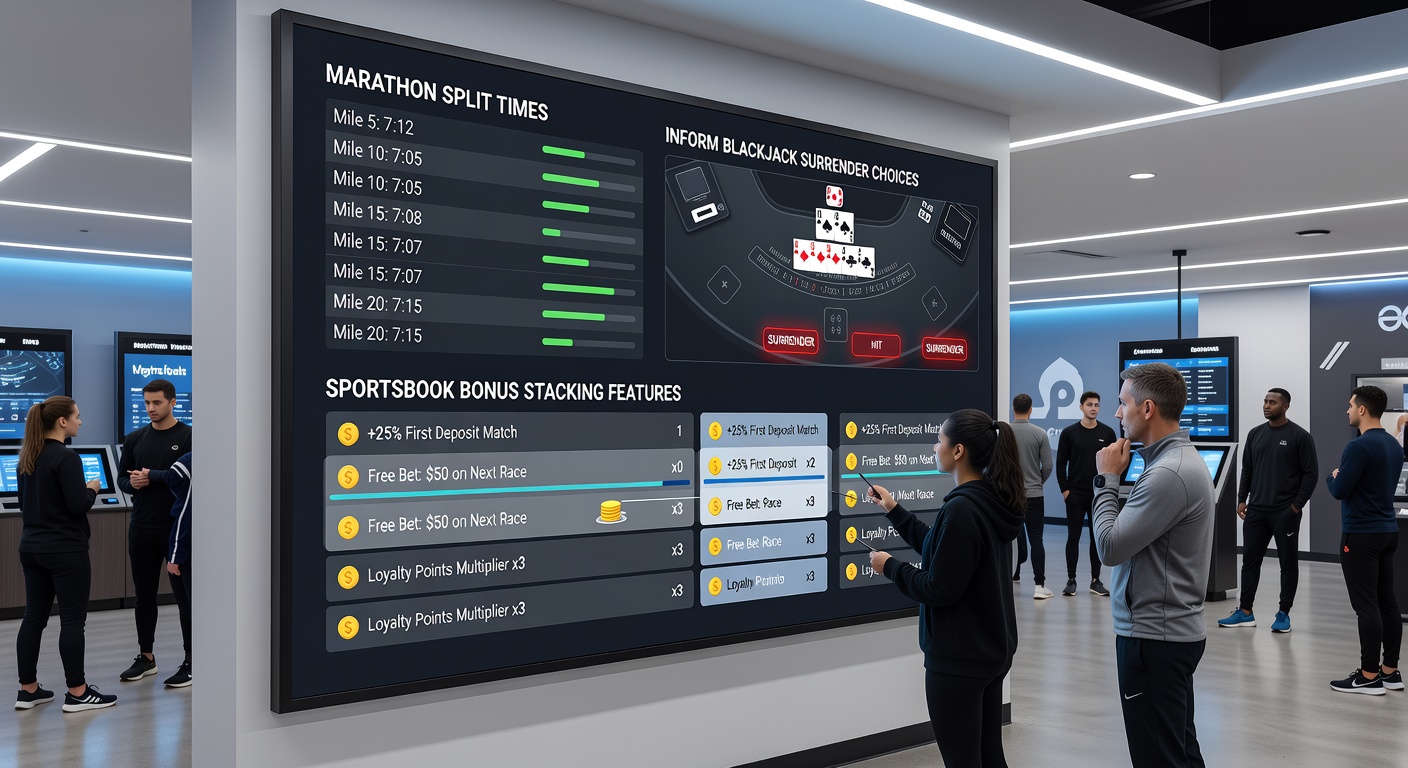
One study published through Canadian gaming research networks revealed that participants who incorporate external pacing data, such as marathon split distributions, into their session planning exhibit more stable decision patterns when surrender opportunities arise under bonus conditions. The research compared control groups using standard basic strategy against those who factored cumulative playtime and remaining bonus eligibility into surrender calculations, finding measurable differences in net retention after promotional terms expired.
Integration of External Data Sources
Analysts at the Australian Institute of Sport have published findings on how split-time variability correlates with overall race outcomes, and gaming observers apply analogous variability measures to blackjack shoe cycles when bonus stacking remains in effect. A player tracking shoe penetration alongside personal session splits can identify windows where surrender preserves capital that continues to satisfy ongoing wagering requirements attached to stacked promotions. Figures released by the European Gaming and Betting Association indicate that multi-product operators increasingly link sports betting interfaces with casino modules, enabling seamless transfer of promotional balances that reward consistent engagement across both verticals.
Take one documented case where a platform offered a 100 percent deposit match combined with 50 free hands and tiered cashback, all requiring sequential clearance. Participants who monitored their effective splits, analogous to marathoners checking intermediate times, surrendered hands more selectively during the final clearance phase to protect remaining bonus eligibility. This approach mirrors how athletes conserve energy for known finish-line demands rather than expending reserves uniformly across every segment.
Conclusion
Evidence suggests that cross-referencing marathon split methodologies with blackjack surrender protocols under stacked bonus conditions produces structured decision frameworks grounded in measurable timing data. Regulatory updates scheduled for May 2026 continue to shape how operators present these layered incentives, while independent research from multiple jurisdictions supplies the external benchmarks players reference when aligning session pacing with promotional timelines. Those who integrate such metrics maintain clearer visibility into both short-term hand outcomes and longer-term bonus fulfillment requirements.