Pit Stop Precision: Formula One Timing Metrics Shaping Round Selections in Hybrid Motorsport and Table Game Platforms
Formula One Data Streams Enter Hybrid Wagering Systems
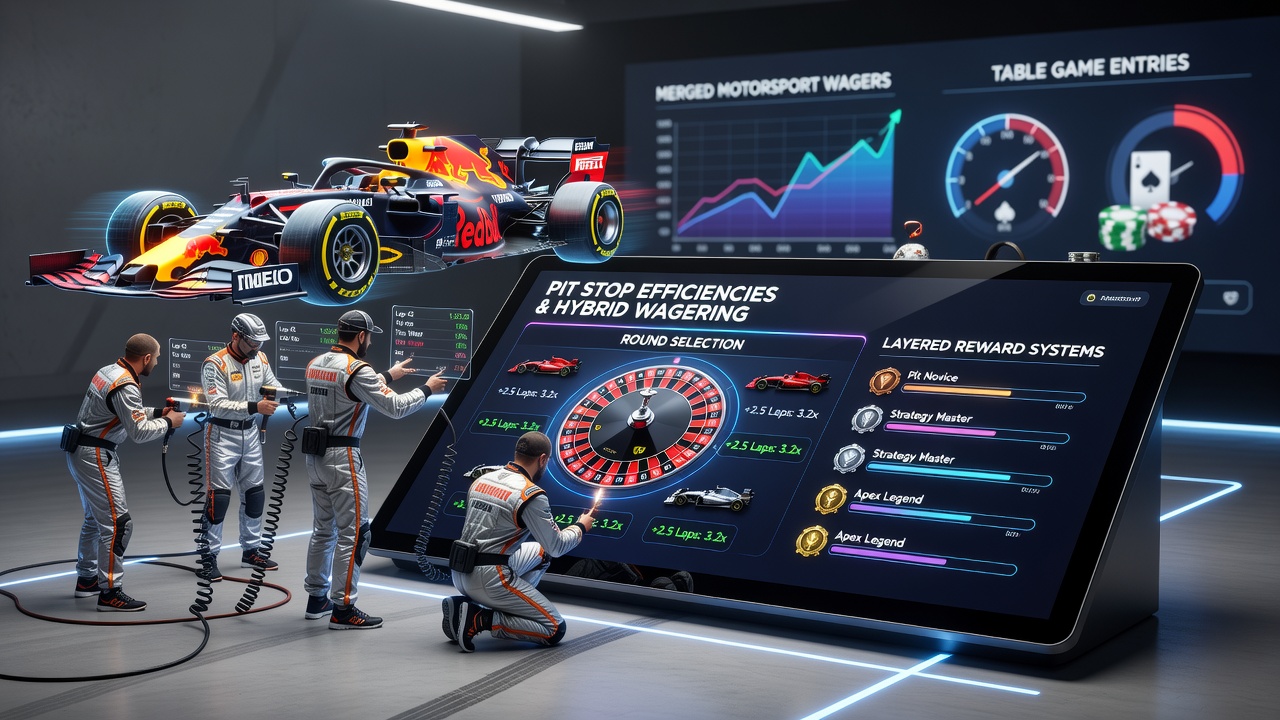
Formula One events generate detailed timing records from pit stops that average between 2.0 and 2.5 seconds when crews complete tire changes and refueling under strict safety protocols, and these metrics now feed directly into hybrid platforms that combine motorsport wagers with table game entries such as blackjack rounds. Observers note that operators extract variables including crew reaction intervals, tire wear projections, and fuel efficiency curves to adjust entry thresholds for users selecting blackjack hands during live race windows. Data from the 2025 season shows that platforms integrated these values into algorithms which flag optimal moments for placing combined bets, where a motorsport accumulator payout ties to a successful card decision within the same session.
Researchers at institutions tracking motorsport analytics have mapped pit stop sequences onto blackjack decision trees, and the resulting models highlight how a two-second window in the pits aligns with the time needed to evaluate a soft 17 hand against a dealer upcard. Platforms launched updates in early 2026 that incorporated these alignments, allowing users to trigger layered rewards when both the race segment and the table game outcome meet predefined criteria. Figures from industry reports indicate that such integrations increased session durations by measurable margins without altering underlying game probabilities.
Mechanics of Round Selection Guided by Pit Efficiency
Hybrid platforms merge motorsport betting interfaces with live dealer blackjack tables through shared data pipelines, and pit stop efficiency metrics serve as timing signals for when users should enter new rounds. A crew completing a front-wing adjustment in under three seconds during a safety car period, for instance, corresponds to system prompts that recommend doubling down or standing based on current card counts and accumulated motorsport wagers. Those who have studied these systems report that the software adjusts reward multipliers in real time, scaling bonus layers according to how closely the pit execution matches historical benchmarks from circuits like Monza or Silverstone.
According to records maintained by the Fédération Internationale de l'Automobile, average pit lane speeds and stop durations have tightened across recent seasons due to standardized equipment regulations, and platform developers translate these improvements into dynamic round timers for blackjack entries. The result appears in user interfaces that display a countdown synced to both the race broadcast and the shoe progress, enabling selections that carry cross-event incentives when the motorsport leg succeeds alongside the table outcome.
Layered Reward Structures and Cross-Event Integration
Layered reward systems within these platforms stack motorsport parlay payouts with blackjack performance bonuses, and pit stop data determines the weighting of each layer. When a team achieves a sub-2.2-second stop, the system unlocks an additional multiplier that applies to any active blackjack hands entered during that lap window, provided the user maintains a combined stake above a set threshold. Studies from analytics groups have documented that such mechanics encourage sustained participation across both verticals without shifting the house edge on individual games.
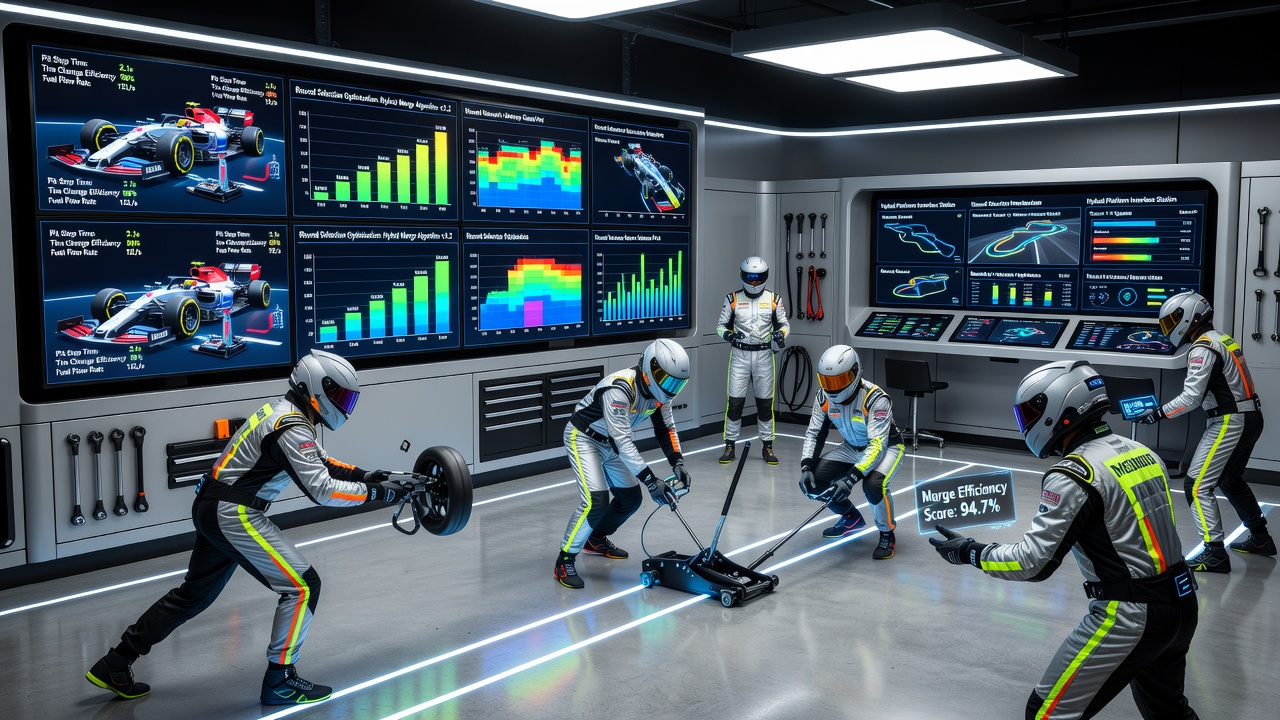
Platforms active as of June 2026 have rolled out features that pull live telemetry feeds from race control and overlay them onto table game dashboards, allowing users to see how a delayed pit stop might delay the next recommended blackjack entry point. Evidence from operational logs suggests these overlays reduce decision latency for participants who track both sports and card outcomes simultaneously. Regulatory filings in multiple jurisdictions confirm that operators must disclose the data sources feeding these timing tools to maintain compliance with fair gaming standards.
Implementation Patterns Across Global Markets
Operators in regions outside traditional European circuits have adopted similar frameworks, drawing on Formula One timing archives to calibrate round selection engines for local user bases. One documented case involved Australian platforms that linked pit efficiency percentages to progressive jackpot contributions triggered only after a motorsport wager and a blackjack round both clear within the same race segment. Data compiled by research centers in that market shows measurable uptake in combined product usage following these integrations.
North American operators have followed with parallel systems that reference tire degradation models from Formula One to adjust surrender thresholds in blackjack variants offered alongside race betting. The Canadian Gaming Association published summaries indicating that such cross-product linkages require separate accounting streams to isolate motorsport and table game liabilities. Those implementations emphasize transparent display of timing data so users can verify how pit metrics influence round prompts.
Conclusion
Formula One pit stop efficiencies continue to supply granular timing inputs that shape round selection logic inside hybrid platforms connecting motorsport wagers to table game entries and stacked reward layers. Records from the 2025 and 2026 seasons demonstrate consistent application of these metrics across multiple operators, with interfaces that synchronize race telemetry to blackjack decision windows. Regulatory oversight in diverse jurisdictions maintains requirements for clear disclosure of data provenance, while user activity logs reflect sustained engagement with the combined offerings. The pattern establishes a technical bridge between precision motorsport operations and structured table game participation that remains grounded in measurable performance data.