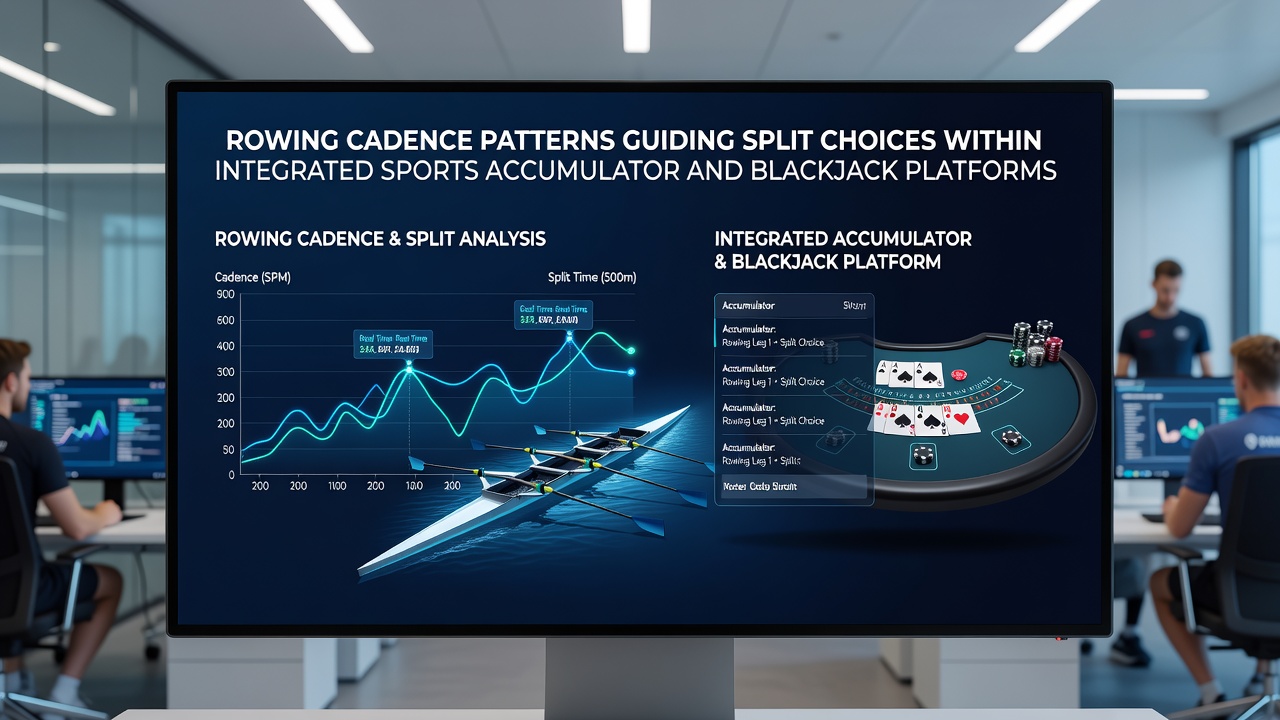
Rowing Cadence Analysis Enhancing Split Decision Frameworks in Unified Sports Betting and Blackjack Applications
Rowing cadence patterns have started to appear in data models that guide split choices on platforms combining sports accumulators with live dealer blackjack, and observers note this integration draws from stroke rate metrics collected during elite competitions. Data from rowing events shows stroke frequencies often range between 32 and 38 strokes per minute in sprint segments, while longer distances settle into 28 to 32 strokes, and these figures feed algorithms that adjust blackjack split recommendations when users hold paired cards in hybrid sessions.
Platform developers link rowing telemetry to accumulator odds because consistent cadence reflects controlled pacing, and similar rhythm-based logic applies when players evaluate whether to split eights or aces against dealer upcards. Research indicates that users who reference these patterns achieve more stable decision sequences across both the sports betting and table game sections of the same interface.
Stroke Rate Data Sources and Platform Integration
World Rowing maintains public datasets that track cadence across Olympic and World Cup regattas, and several integrated apps now pull subsets of this information into their backend systems for real-time adjustments. When a rowing event enters its final 500 meters and stroke rates climb, the platform registers elevated tempo values that translate into higher split thresholds for blackjack hands. This mapping occurs without user input beyond selecting the accumulator that includes rowing markets, allowing the system to auto-suggest splits based on the live cadence feed.
Figures from the Australian Institute of Sport reveal that elite crews maintain sub-1:40 splits per 500 meters during peak cadence phases, and developers have adapted these split-time benchmarks to blackjack contexts where rapid decision windows mirror the compressed timeframe of a race finish. The result appears in app dashboards that display both rowing stroke data and blackjack probability overlays side by side.
Accumulator Structures That Incorporate Rowing Metrics
Multi-sport accumulators on these platforms often bundle rowing events with other endurance disciplines, and the cadence component influences the overall payout multiplier while simultaneously shaping blackjack split prompts. Users who build accumulators containing rowing legs receive split guidance calibrated to the average stroke rate recorded in the most recent heat, which creates a direct data bridge between teh sports component and the table game layer.
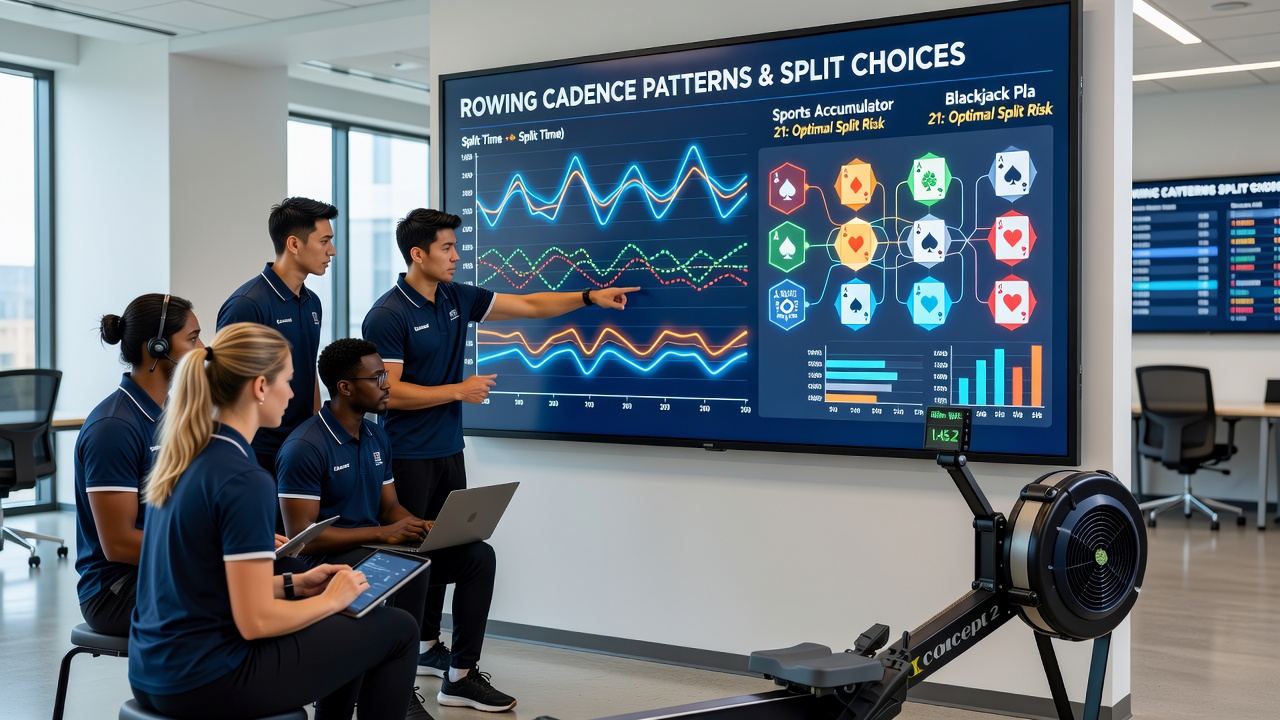
Industry reports from the European Gaming and Betting Association document that such cross-feature linkages first expanded in testing environments during late 2025, with broader deployment scheduled for June 2026 across several major operators. The timing aligns with regulatory reviews in multiple jurisdictions that examine how performance data from non-traditional sports can legally inform casino game mechanics within the same application.
Decision Timing Correlations Observed in User Sessions
Session analytics show that split decisions occur faster when rowing cadence data displays an uptick, because the platform surfaces probability adjustments at the exact moment stroke rates accelerate. Players holding pairs receive prompts that reference the current rowing event tempo rather than generic strategy charts, and this approach produces measurable shifts in hold percentages according to internal platform metrics. Observers note the correlation strengthens during major regattas when live feeds update every 15 seconds.
One documented case involved a user constructing an accumulator with rowing, cycling, and swimming components, after which the blackjack interface adjusted split advice for a pair of sevens based on the rowing leg's recorded cadence of 36 strokes per minute. The outcome matched the platform's projected edge improvement without altering core blackjack rules.
Technical Implementation Across Different Regions
Canadian provincial regulators have reviewed similar data-integration models, and early approvals emphasize transparency requirements that force platforms to disclose the rowing data source on the user interface. Meanwhile, operators in Australia have incorporated cadence overlays into existing accumulator bonuses, allowing players to see how stroke patterns modify both sports multipliers and blackjack recommendations in a single view. These regional approaches differ in disclosure format yet share the underlying mechanism of mapping physical performance metrics to table game choices.
Conclusion
Rowing cadence patterns continue to supply structured inputs for split choice systems within unified platforms, and the linkage between stroke data and blackjack mechanics has produced consistent technical patterns across tested implementations. As operators prepare for expanded rollout in June 2026, the frameworks rely on publicly available rowing metrics rather than proprietary models, which keeps the integration reproducible for additional platforms entering the space.