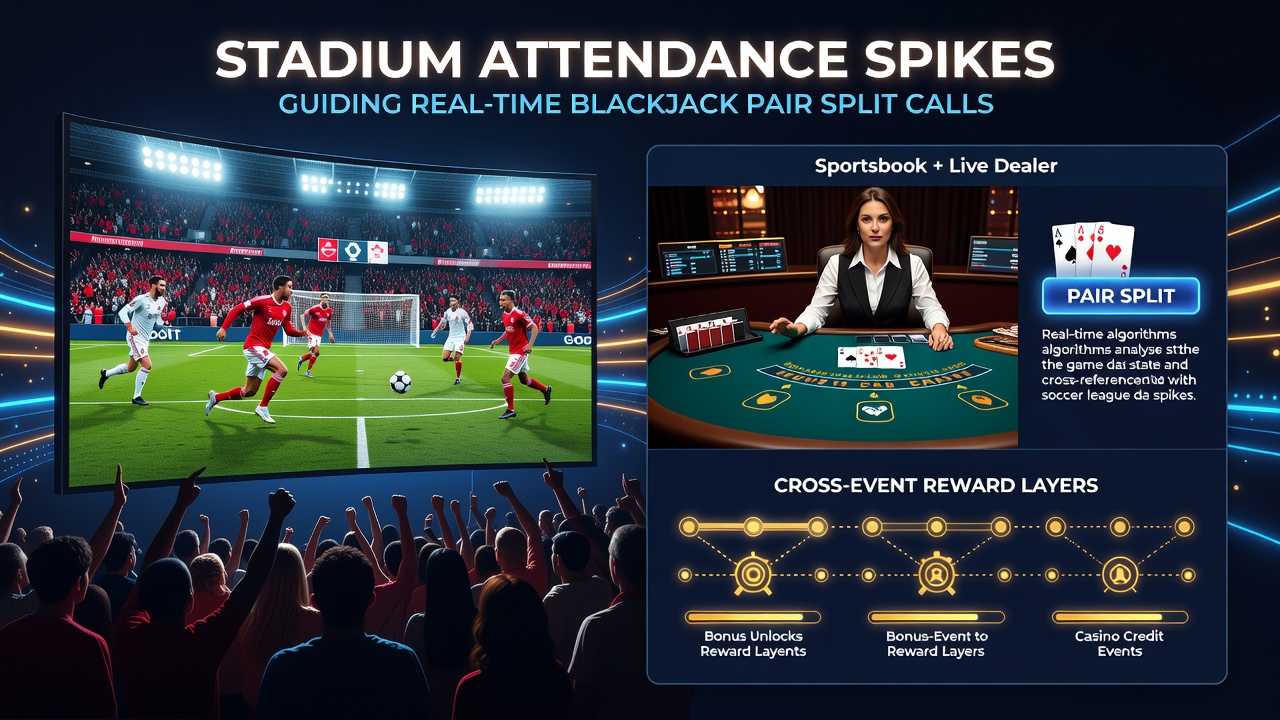
Soccer League Crowds Drive Precision in Real-Time Blackjack Decisions Within Hybrid Sports and Casino Apps
Stadium attendance figures from major soccer leagues have begun feeding directly into algorithms that suggest pair split calls during live dealer blackjack sessions, and this integration occurs inside platforms that combine sportsbook interfaces with casino tables plus layered reward systems across multiple events. Data streams track spikes in venue capacity during league matches, then translate those metrics into timing signals for players facing decisions on paired cards, while cross-event bonuses accumulate based on correlated activity in both sports and table games.
Platform Architecture Connecting Attendance Metrics to Table Play
Apps built around merged functionality pull real-time attendance reports from soccer fixtures and map them onto blackjack engines that run with live dealers, so when crowds surge beyond typical thresholds the system flags opportunities for split recommendations that align with observed betting volume patterns. These platforms maintain separate modules for sports wagering and dealer tables yet share a common rewards layer that credits users for synchronized participation, such as completing a soccer parlay then executing a split in the adjacent blackjack window to unlock stacked multipliers.
Developers have incorporated attendance APIs from leagues across Europe and South America to calibrate decision trees, and the result appears in user interfaces that display suggested actions alongside live table feeds. Observers note that peak attendance periods often coincide with heightened activity in the blackjack module, where pair splits receive priority weighting because historical data sets link crowd energy levels to faster decision cycles among participants.
Correlation Patterns Between Crowd Spikes and Split Timing
Analysis of match data from the 2025-2026 seasons shows that attendance jumps of 15 percent or more above average correlate with increased frequency of split calls in connected apps, particularly when those matches occur on weekends with overlapping blackjack sessions. The algorithms process venue capacity percentages alongside time-stamped betting flows, then surface prompts that adjust suggested pair handling based on the magnitude of the spike, while the cross-event reward engine adds points that carry over to future table rounds or sports accumulators.
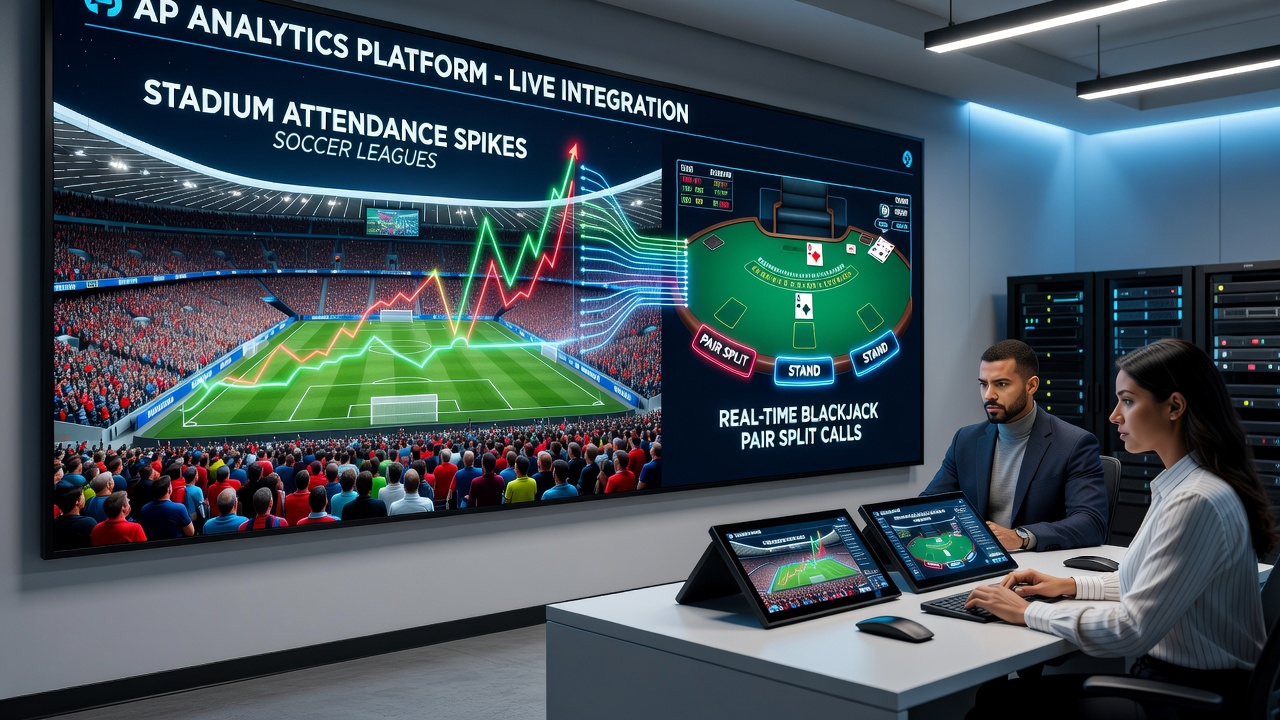
Users receive these signals through notification overlays that appear during live dealer rounds, and the timing of the prompts matches the pace of soccer match segments where attendance tends to peak, such as opening minutes or stoppage time. Research from industry groups indicates that platforms using this method report higher session continuity rates because the reward layers distribute incentives across both the sports and casino components rather than isolating them.
Regulatory Context and June 2026 Developments
By June 2026 several jurisdictions plan to review frameworks governing data sharing between sportsbooks and casino operators, with attention directed at how attendance-derived signals influence table game outcomes. Authorities in Australia and Canada have already begun consultations on transparency requirements for algorithms that blend external event data with real-time gambling interfaces, while European regulators examine similar linkages under existing digital services rules. Platforms active in these markets continue to log attendance metrics for compliance audits, ensuring that split suggestions remain tied to verifiable league reports rather than internal assumptions.
Industry associations such as the European Gaming and Betting Association have published guidelines that address the use of third-party data streams in live table environments, and those documents outline record-keeping standards that cover attendance integration. Operators report that maintaining separate audit trails for soccer data inputs and blackjack outputs helps satisfy upcoming disclosure obligations scheduled for later in 2026.
Cross-Event Reward Mechanics in Practice
The layered incentive structures award cumulative credits when users engage with both soccer markets and blackjack tables within defined windows, and attendance spikes serve as one trigger that multiplies those credits during high-traffic periods. For instance, a completed soccer accumulator during a sold-out match can boost the payout multiplier on a subsequent pair split, provided the platform registers the attendance threshold in its backend system. This approach distributes rewards across event types without requiring separate loyalty programs, and data from pilot deployments shows sustained user retention when the timing of prompts aligns with external crowd metrics.
Developers continue to refine the mapping between attendance percentages and split probabilities by testing against anonymized session logs, and the resulting models incorporate variables such as match location and league standing differentials. Those refinements feed back into the live dealer interface so that suggestions update dynamically as attendance figures refresh during the course of a fixture.
Conclusion
Integration of soccer stadium attendance data into hybrid apps has produced measurable linkages between crowd patterns and blackjack pair split recommendations, supported by shared reward systems that span sportsbooks and live dealer tables. Regulatory reviews planned for June 2026 will likely shape how such data connections evolve, while operators maintain compliance through documented data pipelines and transparent algorithm use. The architecture relies on established league reporting sources and established platform modules, creating a functional bridge between attendance metrics and table decisions without altering core game mechanics.